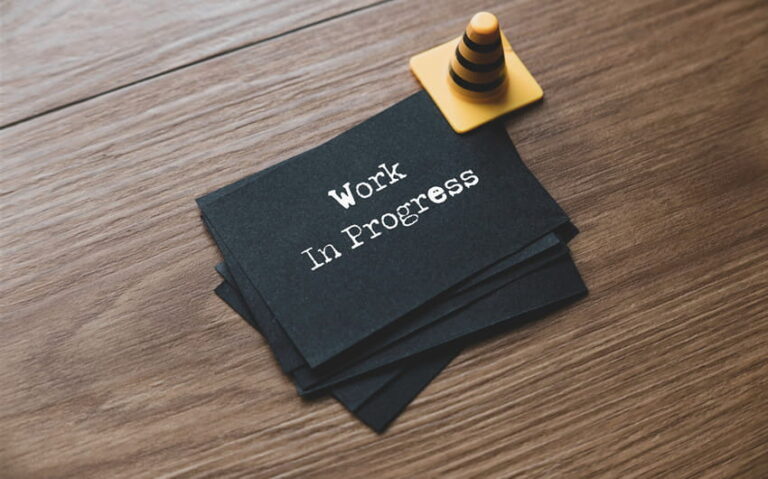
What I’m Learning About Showing Up Even When It’s Messy: Choosing Presence Over Perfection
I used to think “showing up” meant having it together. Looking confident. Feeling ready. Saying the right things at the right time. But life has a way of teaching you that readiness is often a myth. This is what I’m learning about showing up anyway—even when it’s messy, imperfect, and uncomfortable.
For years, I waited to feel prepared before I stepped into anything that mattered. I wanted to be certain. I wanted to be polished. I wanted to feel like I could handle every possible outcome. I told myself it was responsible to wait until I was ready.
But if I’m honest, a lot of that waiting was fear dressed up as “planning.”
It was fear of being judged. Fear of not being good enough. Fear of being seen in the middle of learning instead of at the end of it. And because I didn’t want to feel those fears, I postponed things. Conversations. Goals. Creative projects. Even joy.
One day I realized I was spending too much time on the sidelines of my own life.
That realization wasn’t dramatic. It didn’t come with a big speech or a sudden personality change. It was more like a quiet question that kept coming back: What if I don’t get a perfect moment?
And then another: What if the point isn’t perfection—what if the point is presence?
Showing Up Is Not the Same as Performing
I used to confuse showing up with performing. I thought if I was going to show up, I needed to show up as the “best version” of myself. I needed to sound smart, be calm, and feel confident. I needed to be the version of me who never overthinks, never stumbles, never feels awkward.
But that’s not real. And it’s not sustainable.
Showing up is simpler than that. It’s choosing to be present. It’s deciding not to disappear when things feel uncomfortable. It’s letting yourself be human in real time, not just in hindsight.
Performance says, “I’ll participate when I can control how I’m perceived.” Showing up says, “I’ll participate even if I’m still figuring it out.”
That shift has changed everything for me.
Messy Doesn’t Mean Meaningless
When something feels messy, it’s easy to assume it must be wrong. We’re taught to associate mess with failure: messy emotions, messy relationships, messy routines, messy beginnings. If it isn’t clean and clear, we assume it isn’t working.
But messy is often just a sign that something is alive.
Messy can mean growth. It can mean transition. It can mean you’re telling the truth instead of hiding behind a script. It can mean you’re trying, adjusting, learning, and showing up in the middle of change.
Some of the most important seasons of my life have been messy. Not because everything was falling apart, but because everything was shifting. Messy seasons can be uncomfortable, but they can also be incredibly productive. They bring clarity, even if it comes slowly.
Consistency Is Built on Imperfect Days
I used to believe consistency meant doing something perfectly every day. If I couldn’t do it “right,” I thought it didn’t count. And that mindset made it easy to quit. Because when you expect perfection, one imperfect day feels like proof you aren’t capable.
What I’m learning is that consistency is built on imperfect days.
Consistency is showing up when you have low energy. It’s doing the smaller version when the big version isn’t possible. It’s keeping your promise to yourself in a way that fits the day you’re having, not the day you wish you were having.
It’s taking a short walk instead of a full workout. It’s writing one paragraph instead of ten. It’s making a simple meal instead of skipping dinner. It’s replying honestly instead of replying perfectly.
Consistency is less about intensity and more about relationship—your relationship with yourself over time.
Letting People See You Is Part of Connection
One of the hardest parts of showing up is being seen. Not just seen when you’re doing well, but seen when you’re uncertain, tired, or still figuring things out.
It’s tempting to hide those parts. To wait until you feel stronger, happier, more put together. To only share the version of your life that feels “acceptable.”
But real connection doesn’t come from perfection. It comes from honesty.
I’ve learned that the people who truly care about you don’t need you to be polished. They want you to be real. They want to know what’s actually going on, not just what looks good from the outside. And when you let people see you as you are, you give them permission to do the same.
That kind of openness is a risk, but it’s also a relief.
Showing Up Means Taking Small Brave Steps
I used to think courage was loud. Big risks. Major changes. Fearless energy.
Now I think courage is often small and quiet.
Courage looks like walking into the room even when you feel nervous. It looks like sending the email you’ve been avoiding. It looks like starting the project before you feel ready. It looks like asking for help. It looks like saying “no” without a long explanation. It looks like apologizing when you need to, and forgiving yourself when you can.
Courage can be choosing presence when your instinct is to pull back.
And when you do that enough times, something begins to shift. You start trusting yourself more. You learn that you can survive discomfort. You learn that awkward isn’t dangerous. You learn that you don’t have to be fearless to be brave—you just have to show up anyway.
Not Every Day Will Be Your Best Day
One of the simplest lessons I’ve had to accept is that not every day will be my best day. And that’s okay.
Some days I’m energized and hopeful. Other days I’m quiet and fragile. Some days I feel like I have momentum, and other days I feel like I’m moving through mud. That doesn’t mean I’m failing. It means I’m human.
Showing up doesn’t mean forcing yourself to operate at maximum capacity all the time. It means being honest about what you have to give and offering that, even if it’s smaller than usual.
Sometimes showing up is doing the thing. Sometimes it’s resting so you can keep doing the thing. Sometimes it’s simply staying present instead of spiraling into shame.
All of that counts.
Perfectionism Is a Form of Avoidance
This one is hard to admit, but it’s been true for me: perfectionism is often avoidance.
When I’m aiming for perfect, I can delay. I can polish. I can rework. I can wait. I can tell myself I’m being careful, but underneath it, I’m often trying to avoid the vulnerability of being seen.
Because the truth is, perfect isn’t the goal. Perfect is protection.
But protection comes at a cost. It costs opportunities. It costs connection. It costs creativity. It costs time. It costs the chance to learn by doing.
I’m learning to choose progress over perfection, not because perfection is bad, but because perfection keeps me stuck. And I don’t want to live stuck.
Showing Up Builds Self-Trust
The biggest gift of showing up—especially when it’s messy—is self-trust.
Every time you show up for yourself, you send a message to your nervous system that you’re safe with you. Every time you try again, you prove you don’t abandon yourself after a mistake. Every time you follow through in a small way, you build a foundation that supports you when life gets heavy.
Self-trust isn’t built through big dramatic promises. It’s built through small, consistent choices: “I said I would, so I did.” “I didn’t do it perfectly, but I did it.” “I felt uncomfortable, and I stayed.”
That kind of trust changes how you move through the world. It makes you steadier. It makes you braver. It makes you less dependent on external approval because you know you can rely on yourself.
What I Want to Remember
I’m still learning all of this in real time. I still have days where I want to hide. Days where I feel like I’m not enough. Days where I wish I could do life with a clean script and a perfect plan.
But I’m trying to remember that life isn’t lived in perfect moments. It’s lived in ordinary days, imperfect conversations, messy feelings, and small choices.
Showing up is not about having it together. It’s about being here. It’s about choosing presence over perfection. It’s about allowing yourself to be seen while you’re still growing.
And maybe that’s the point.
If you’re in a messy season, I hope you hear this: you don’t need to wait until you feel ready to show up. You can begin in the middle. You can try while you’re unsure. You can participate in your life while you’re still figuring it out.
Messy doesn’t mean you’re failing. Messy can mean you’re becoming.